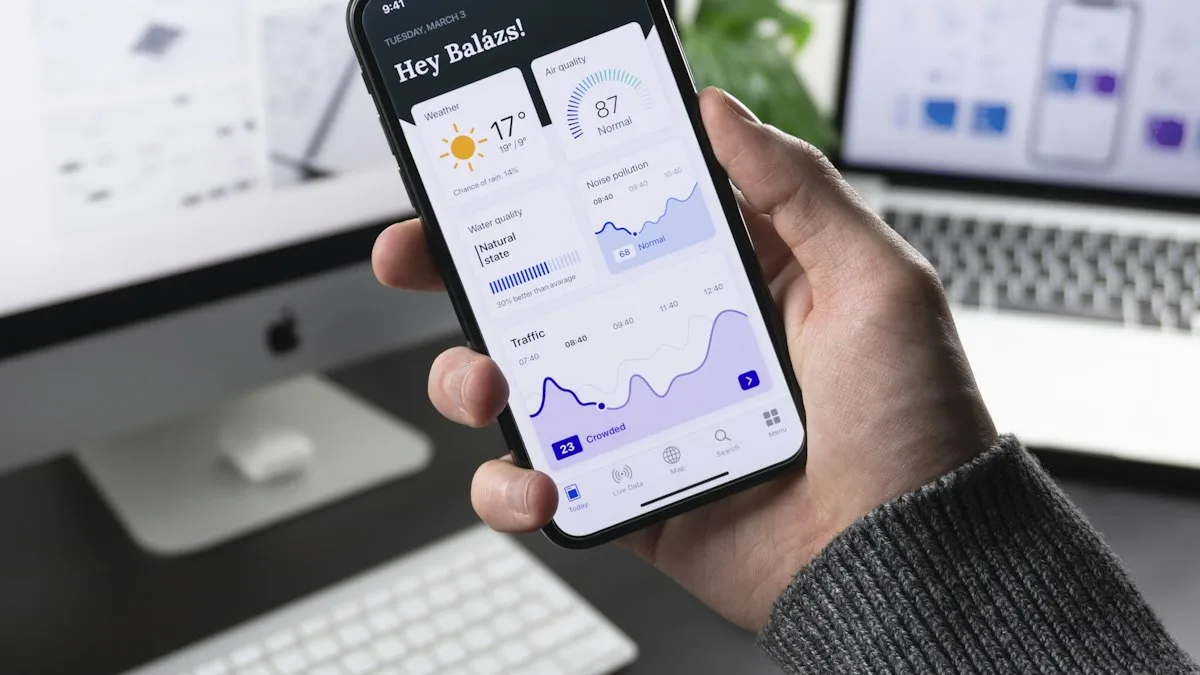
In modern product development, launching on both iOS and Android simultaneously is mandatory for market penetration. However, maintaining two separate native engineering teams (Swift/Kotlin) creates fragmented roadmaps and escalates ongoing bug-fix costs. Cross-platform development frameworks allow businesses to maintain a single unified codebase that compiles to native ARM machine code with fluid 60fps animations.
1. Technical Comparison: Flutter vs React Native in 2026
Both frameworks have reached high enterprise maturity. Selecting between them depends on your existing tech ecosystem and user interface requirements:
| Architecture Criteria | Flutter (Google / Dart) | React Native (Meta / TypeScript) | Recommended Recommendation |
|---|---|---|---|
| Rendering Engine | Impeller (Direct GPU rendering) | Fabric (Native platform UI widgets) | Flutter avoids native UI inconsistencies across budget Android phones. |
| Frame Rate & Animation Stability | Rock-solid 60fps - 120fps | Smooth 60fps on modern devices | Flutter excels in graphics-heavy and custom-canvas applications. |
| Code Reuse Percentage | Up to 95% identical code | Up to 85% - 90% identical code | Both drastically reduce QA testing and bug verification overhead. |
| Web & Desktop Portability | Strong desktop and tablet support | Excellent web reuse with React.js | React Native is ideal for teams sharing components with web apps. |
2. Development Cost Breakdown in India (2026 Practical Guide)
Commissioning a commercial cross-platform mobile app in India typically requires 8 to 14 weeks of focused engineering:
- Discovery & Wireframing (Week 1 - 2): User journey mapping, Figma UI/UX design, and clickable prototypes.
- API & Backend Construction (Week 3 - 6): High-security REST/GraphQL endpoints, JWT authentication, and database schemas.
- Frontend App Development (Week 5 - 10): Responsive screens, offline SQLite storage, biometric login, and push notification triggers.
- Payment & Third-Party Integrations (Week 9 - 11): Razorpay, Cashfree, Google Maps SDK, and WhatsApp sharing.
- App Store & Play Store Deployment (Week 12 - 14): Privacy compliance, app bundle signing, and store review management.
Offline-First Architecture for Indian Mobile Networks
In tier-2 and tier-3 Indian cities where cellular connectivity fluctuates, our mobile apps leverage local SQLite and Hive caching. Users can browse products, create drafts, and submit forms without connection errors; the app silently synchronizes with cloud servers the instant connectivity restores.
3. Avoid Common App Store Submission Rejections
Both Apple and Google have tightened submission rules in 2026 regarding user data deletion, DPDP/GDPR policy disclosures, and background location permissions. Partnering with experienced engineers ensures your app complies with every store guideline on first submission.
4. Build Your Mobile Application with CodeAro
From initial concept wireframing to successful publication on Google Play and Apple App Store, CodeAro delivers fast, dependable cross-platform apps.
Explore our cross-platform mobile app development services or request a project estimate today.


