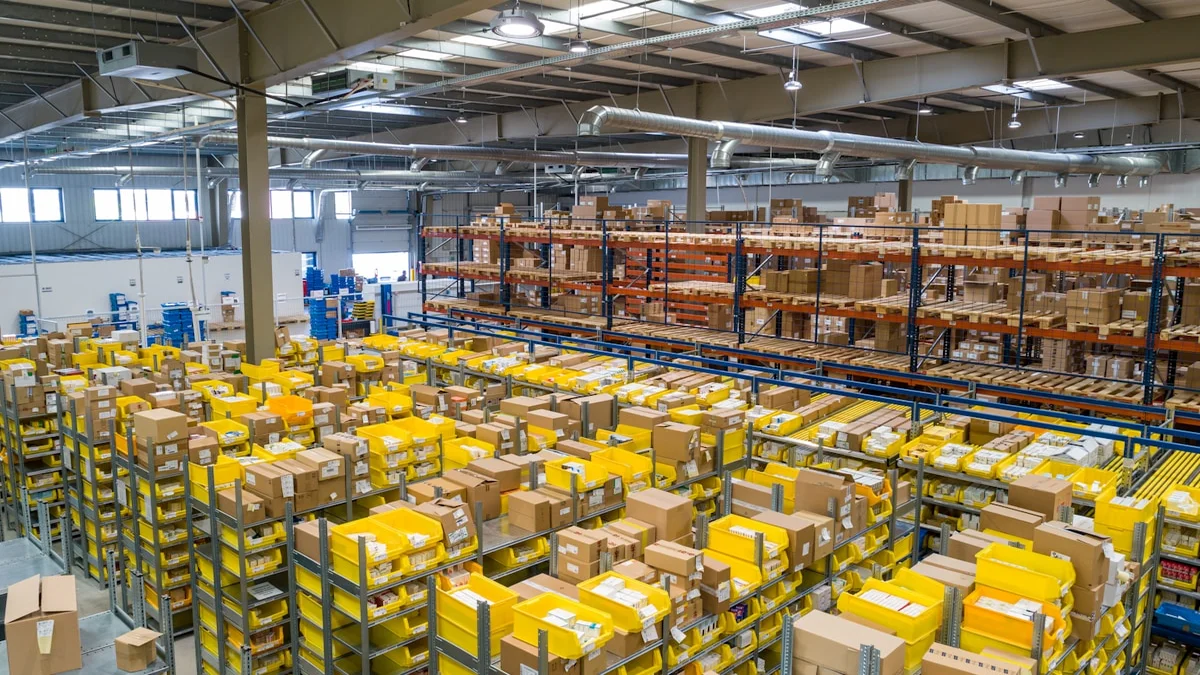
Small and medium enterprises (SMEs) are the backbone of the economy, yet a startling percentage of mid-sized manufacturers, distributors, and logistics firms manage ₹10+ crore operations on a patchwork of disconnected Excel files, paper gate passes, and WhatsApp groups. When numbers don’t reconcile at month-end, chaos ensues.
At the same time, enterprise ERP giants like SAP, Oracle NetSuite, or Microsoft Dynamics demand ₹25,00,000+ implementations and require teams of dedicated consultants just to maintain basic workflows. That is why high-growth SMEs are turning to custom, lightweight ERP web applications.
In this guide, CodeAro demonstrates how tailor-made ERP systems streamline operations, eliminate human error, and deliver dramatic operational cost savings.
1. Why Generic Software Fails Growing SMEs
Off-the-shelf software assumes your business operates like everyone else. In reality, every successful manufacturing or trading business has unique competitive advantages:
- Complex Bill of Materials (BOM): A chemical manufacturer combining raw batch materials has different wastage calculation formulas than an apparel stitching unit.
- Fragmented Departmental Silos: Your sales team uses WhatsApp, your accountant uses Tally, your warehouse manager uses handwritten registers, and the owner has no real-time visibility into actual operating profit.
- Spreadsheet Version Glitches: Five different staff members working on conflicting copies of
Master_Inventory_Final_v3_Oct.xlsxleads to stockouts, lost consignments, and inaccurate order dispatches.
2. Key Modules in a Custom SME ERP
A bespoke ERP system designed by CodeAro solves these bottlenecks through tightly integrated operational modules:
1. Real-Time Inventory & Multi-Warehouse Tracking
Automatic stock deduction upon order dispatch, low-stock threshold alerts via email/WhatsApp, and barcode scanning for batch and expiry tracking across multiple warehouse locations.
2. Sales Order to Automated GST Invoicing
Seamless progression from Quotation → Sales Order → Dispatch Note (Challan) → GST Tax Invoice with automated E-Way Bill and E-Invoice IRN API generation.
3. Procurement & Vendor Management
Purchase requisition approvals, supplier price comparison history, Goods Receipt Note (GRN) quality inspection logging, and automated vendor payment aging schedules.
4. Production Planning & Job Cards
Track raw material consumption, assign job cards to factory machine operators, log scrap percentages, and calculate true unit manufacturing costs in real time.
3. Off-the-Shelf vs. Custom ERP: The ROI Reality
| Parameter | Tier-1 Enterprise ERP (SAP / NetSuite) | Custom Web ERP (CodeAro) |
|---|---|---|
| Total Cost of Ownership | ₹15,00,000 – ₹50,00,000+ plus annual maintenance contracts (AMC) | ₹2,50,000 – ₹7,00,000 one-time build; low fixed cloud hosting |
| Deployment Timeline | 6 to 18 months of intensive consultant training | 8 to 14 weeks with phased departmental rollout |
| User Interface & Adoption | Cluttered, confusing legacy screens; employees resist using it | Clean, intuitive web and mobile interface designed for your staff |
| Third-Party Integrations | Expensive proprietary integration connectors | Direct REST APIs with Tally, WhatsApp, transport APIs, and banking portals |
4. Phased Implementation Strategy
Never attempt to digitize every department overnight. At CodeAro, we guide businesses through a low-risk phased adoption:
- Phase 1: Inventory & Order Dispatch (Weeks 1–6): Stabilize inventory accuracy, eliminate stock discrepancies, and speed up customer deliveries.
- Phase 2: Invoicing & Vendor Procurement (Weeks 7–10): Integrate billing, customer balances, and purchase orders.
- Phase 3: Production & Executive Analytics (Weeks 11–14): Deploy executive dashboards with gross profit margins, salesperson commissions, and demand forecasts.
Ready to Automate Your Business Operations?
Eliminate spreadsheet chaos with a custom web-based ERP tailored specifically to your company’s manufacturing or distribution workflow.
Request an ERP Consultation

