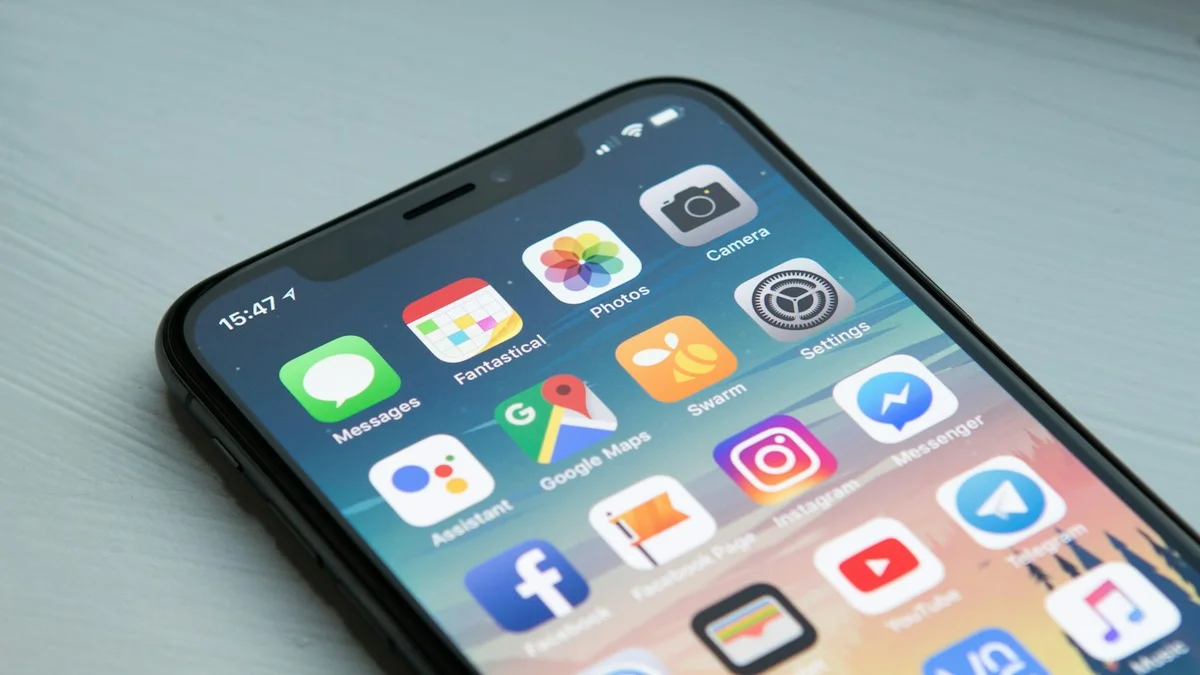
When a business decides it needs a mobile presence, the default assumption is usually: “We need to build an iOS app and an Android app and get them on the App Store.” However, after discovering that native app development costs ₹1,50,000 to ₹4,00,000, Apple charges $99 every year, and users hesitate to download a 50MB app just to browse a catalogue, many founders reconsider.
Enter Progressive Web Apps (PWAs). Powered by modern browser service workers, PWAs allow a website to behave like a native mobile app: it can be installed onto a user’s home screen with one tap, function offline, and send push notifications—all without visiting an app store.
At CodeAro, we build both native/cross-platform mobile apps and high-performance PWAs. Here is how to decide which path is right for your digital strategy.
1. PWA vs. Native Mobile Apps: Feature Matrix
| Capability | Progressive Web App (PWA) | Native / Cross-Platform App (Flutter/RN) |
|---|---|---|
| Distribution & Friction | Zero friction. Users tap “Add to Home Screen” directly from Chrome/Safari. | High friction. User must open App Store, enter password, and wait for 40MB+ download. |
| Store Commissions & Review | 0% commission. Updates deploy instantly; no App Store review approval waits. | Apple and Google take 15%–30% in-app purchase cuts; review delays of 2–5 days. |
| Push Notifications | Full support on Android & Windows; iOS support via Web Push (iOS 16.4+). | Full background push notification support across 100% of devices. |
| Hardware Access | Geolocation, camera, motion sensors, audio. Limited Bluetooth/NFC/biometric access. | Full low-level access: Bluetooth LE, background GPS tracking, Apple Health, FaceID. |
| Development & Maintenance | One single responsive codebase for desktop, tablet, and mobile browsers. | Separate mobile builds requiring continuous App Store compliance updates. |
| Average Build Budget | ₹40,000 – ₹1,20,000 (often an enhancement to a web app) | ₹1,20,000 – ₹3,50,000+ |
2. When a PWA is the Smarter Business Choice
A Progressive Web App is the clear winner for:
- E-Commerce & Retail Catalogs: Shoppers rarely install an app for a store they only visit twice a year. A PWA provides instant loading, offline catalog browsing, and cart saving without download resistance.
- Internal B2B Field Operations: Tools for warehouse auditors, delivery dispatchers, or sales representatives who need quick access across diverse personal Android and iOS devices.
- Content & News Portals: Readers can bookmark articles for offline reading during commutes with minimal data consumption.
- Early-Stage Startups Validating Demand: Launch an installable mobile experience in half the time without paying app store fees or dealing with store rejections.
3. When You Must Build a Native App
Despite the power of PWAs, native or cross-platform apps (such as Flutter or React Native) remain essential when your business relies on:
- Real-Time Background Geolocation: Ride-hailing, food delivery drivers, or fitness route tracking that must track GPS continuously while the screen is locked.
- High-Performance Graphics & 3D Gaming: Heavy mobile gaming, augmented reality (AR), or intense video editing.
- Heavy In-App Purchases: Products leveraging Apple Pay or Google In-App Subscriptions deeply embedded in the OS ecosystem.
- Brand Credibility in Conservative Markets: When being searchable on the Apple App Store is a mandatory corporate requirement.
Unsure Whether to Build a PWA or Native App?
CodeAro helps you evaluate your target audience, required hardware features, and budget to pick the right mobile solution.
Get Mobile Architecture Advice

